

2026 ONPN Plant List
Each year, network members vote on a selection of plants to highlight. As of 2026, the chosen plants include one from each of these categories: Grass, Milkweed, Tree or Shrub, Sun and Shade Perennial. Keep an eye out for these and other plants available this year from our ONPN Growers.
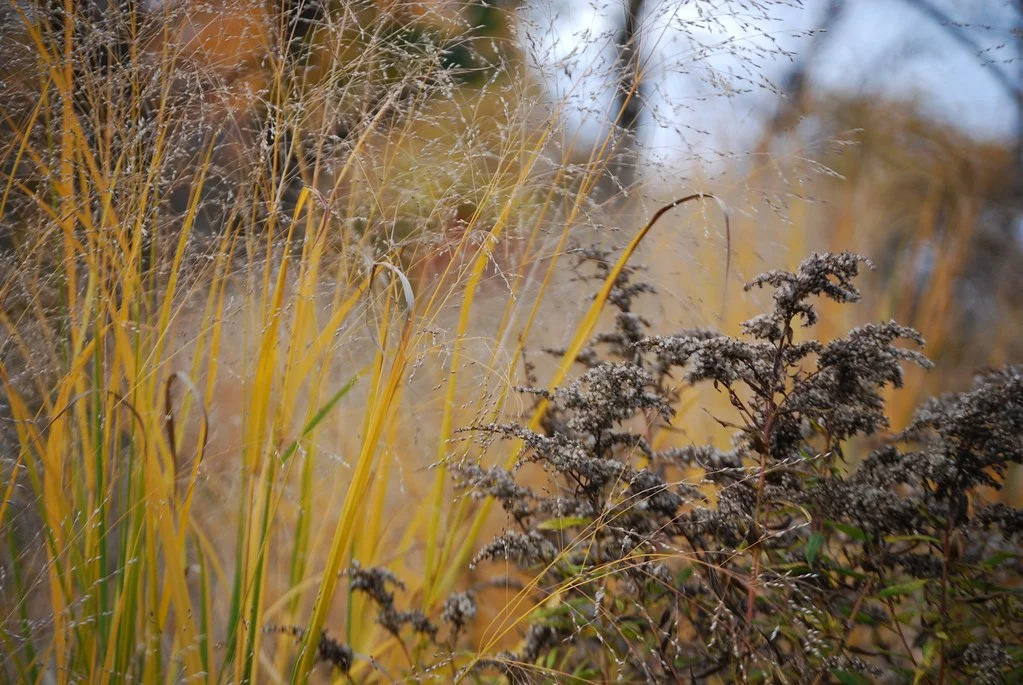
Panicum virgatum
-
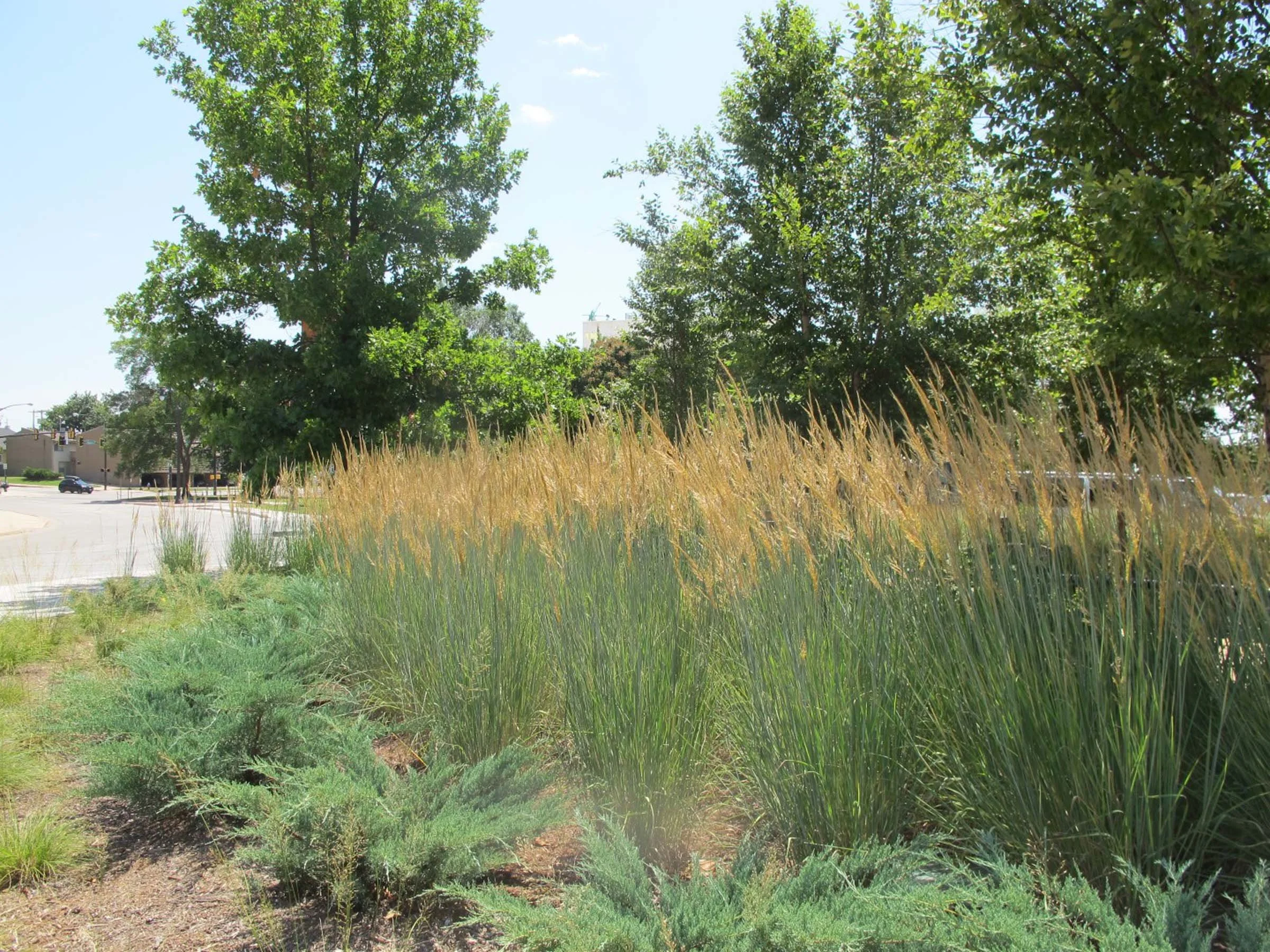
Switchgrass brings graceful texture and gentle movement to the garden with its tall stems and airy seed heads. Birds love its seeds and shelter, and its deep roots help build healthy soil and prevent erosion.
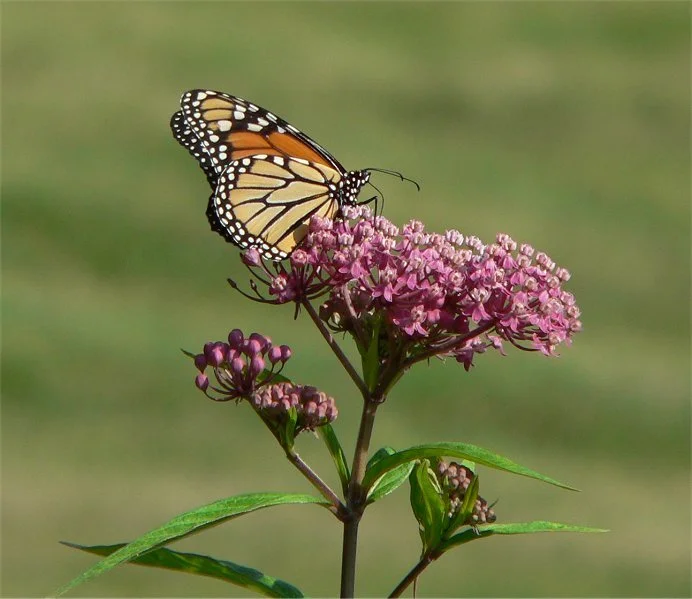
Asclepias incarnata
-
Swamp Milkweed loves damp spots and rewards you with clusters of sweet-scented pink blooms that light up rain gardens and pond edges. Like all milkweeds it’s a favorite host and nectar source for Monarchs and many other pollinators.
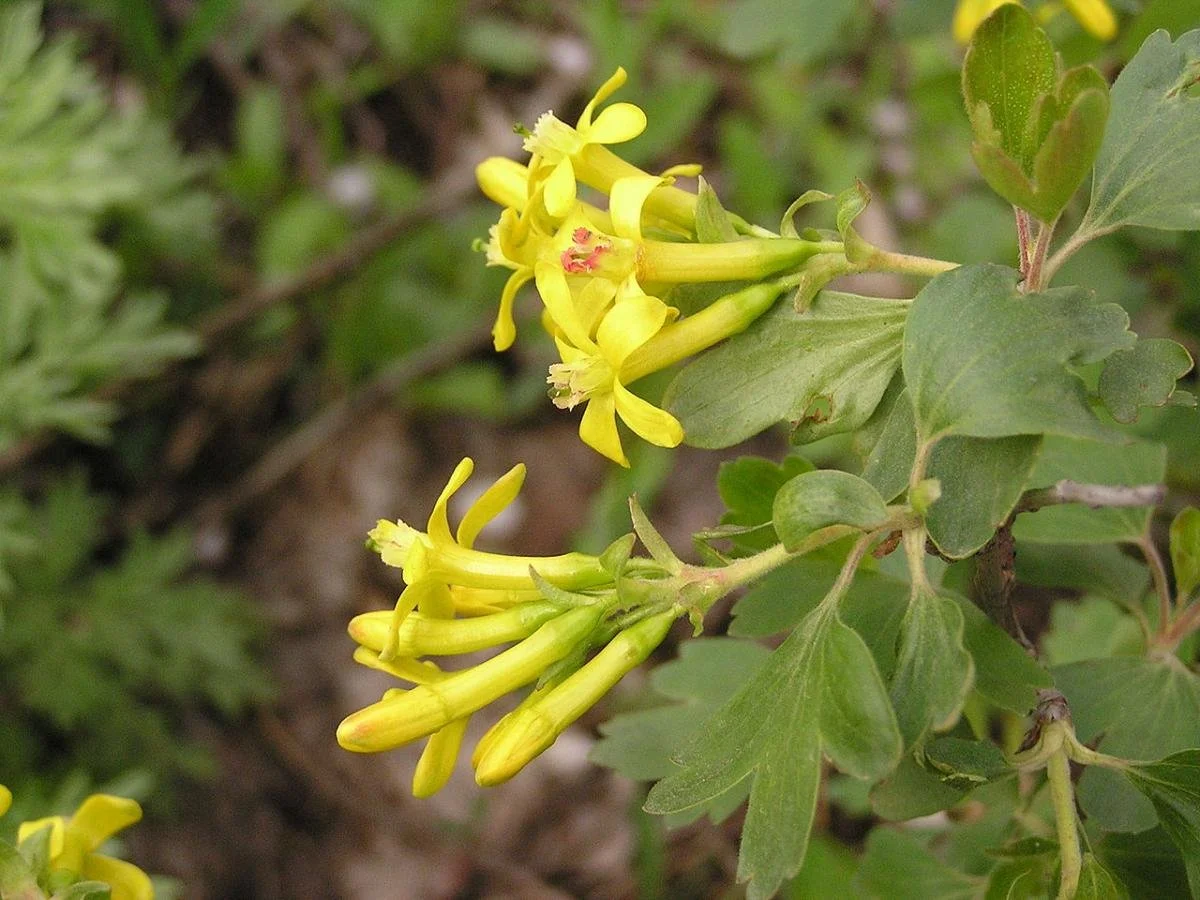
Ribes odoratum
-
Clove Currant welcomes spring with cheerful yellow flowers that smell like warm, spicy cloves—an irresistible treat for early pollinators. Its delicious berries later feed birds (and you, if you get to them first!) and make it a great pick for native edible gardens.
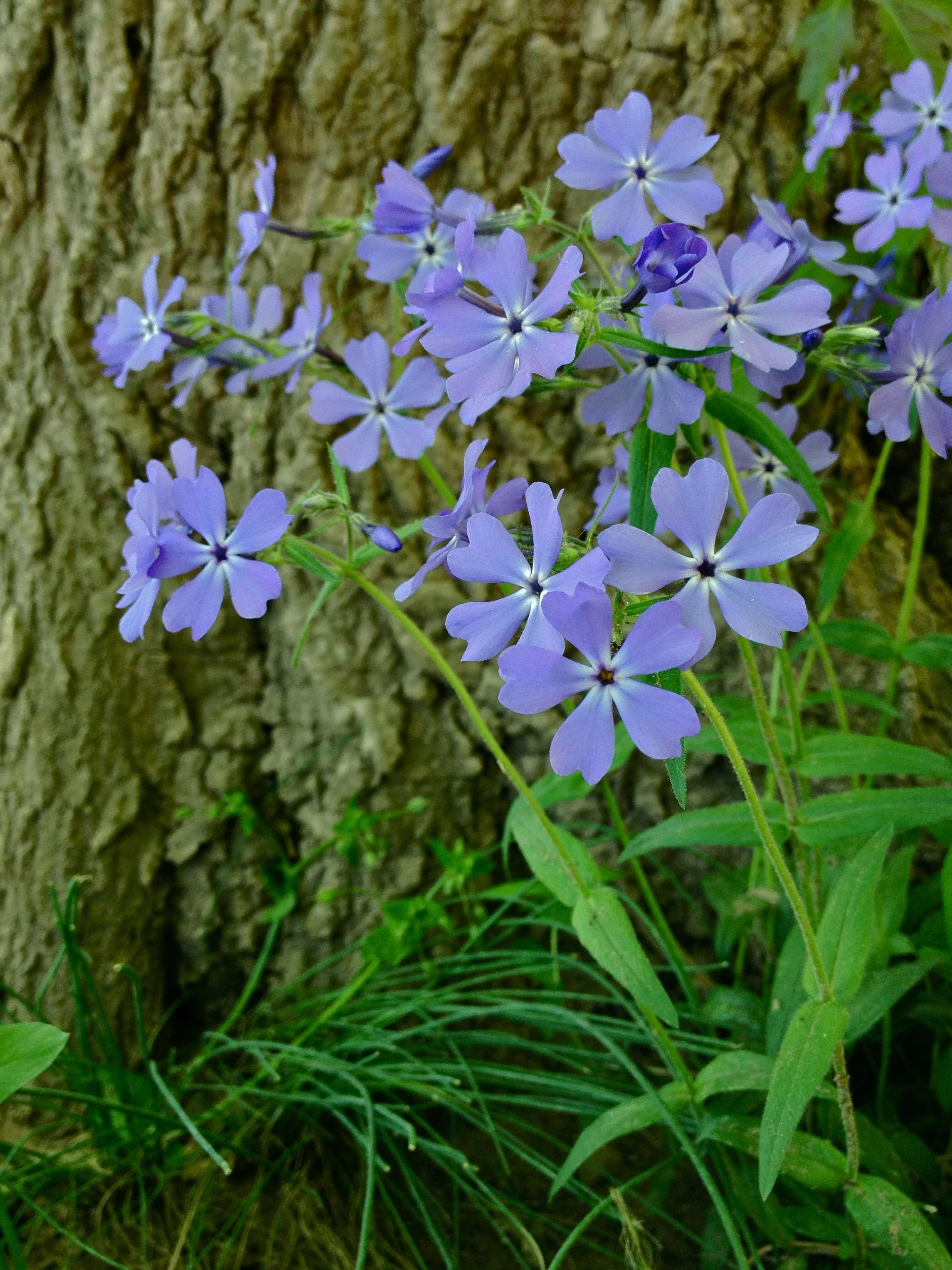
-
Woodland Phlox gently blankets shady areas with soft blue-violet flowers and a lovely spring fragrance. It’s a wonderful early food source for bees and butterflies and adds a welcoming splash of color to woodland gardens.
Phlox divaricata
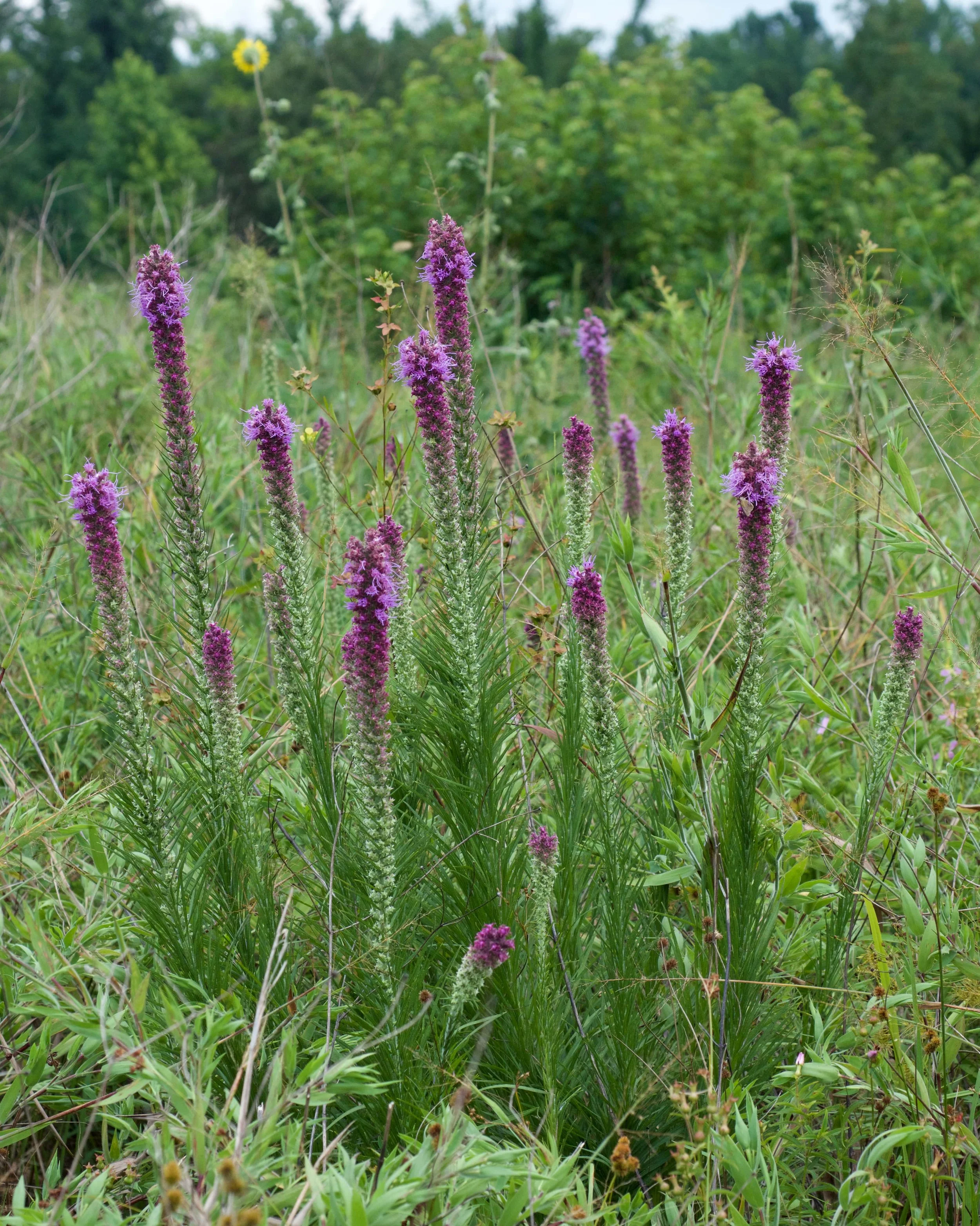
Liatris pycnostachya
-
Prairie Blazing Star sends up bold, magenta flower spikes that butterflies can’t resist, especially in late summer. It thrives in sunny, dry spots and brings a burst of prairie charm to pollinator gardens.

Bouteloua curtipendula
-
Bouteloua curtipendula, commonly known as sideoats grama, is a perennial grass native to North America that features distinctive, oat-like seeds that dangle from one side of its stems. Its adaptability to a variety of soil types and drought resistance make it a valuable species for restoration projects and prairie ecosystems.
2025 Plant List

Asclepias verticillata
-
Whorled Milkweed (Asclepias verticillata) is characterized by its narrow, whorled leaves and clusters of small, white-green flowers. This plant is particularly valuable as a host for monarch butterfly larvae, providing critical habitat within its native range.
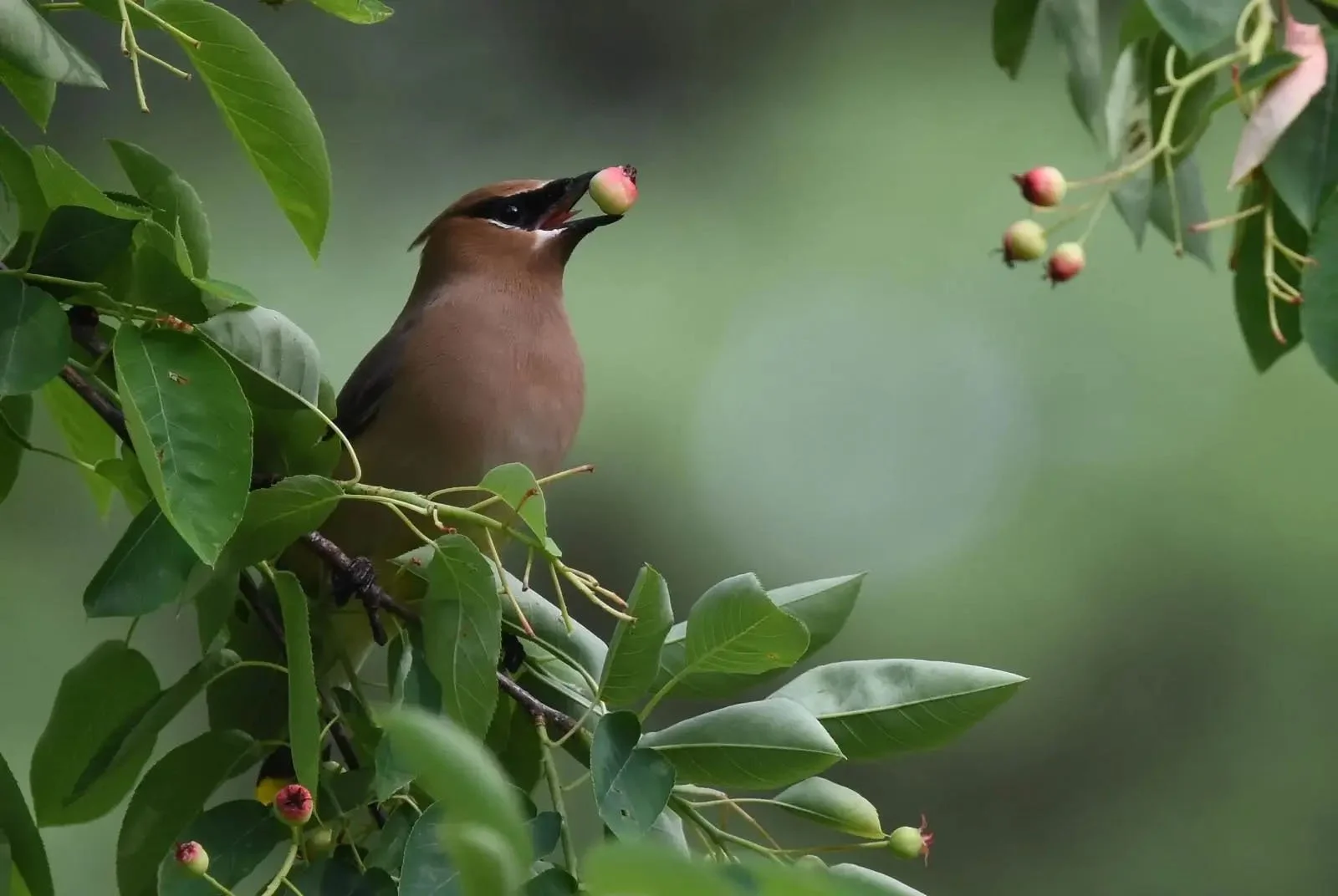
Amelanchier arborea
-
Amelanchier arborea, commonly known as the downy serviceberry, is a small tree or shrub that features delicate white flowers in early spring and produces sweet, edible berries in late spring.
-
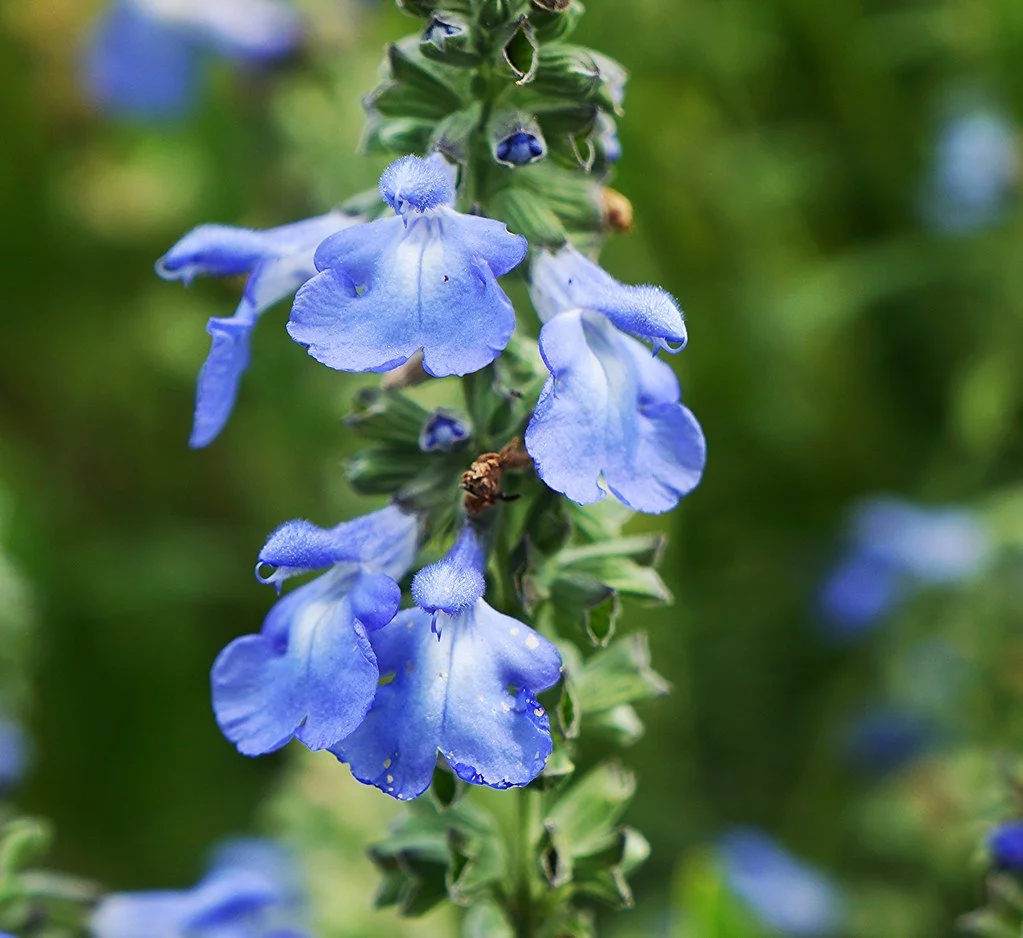
Salvia azurea, widely recognized as blue sage, is a perennial herb that is native to North America, showcasing an impressive display of striking blue flowers that effectively attract a variety of pollinators, including bees and butterflies. Its remarkable resilience to drought conditions, along with its ability to thrive in a diverse range of soil types, makes it a highly valuable addition to the garden.
Salvia azurea
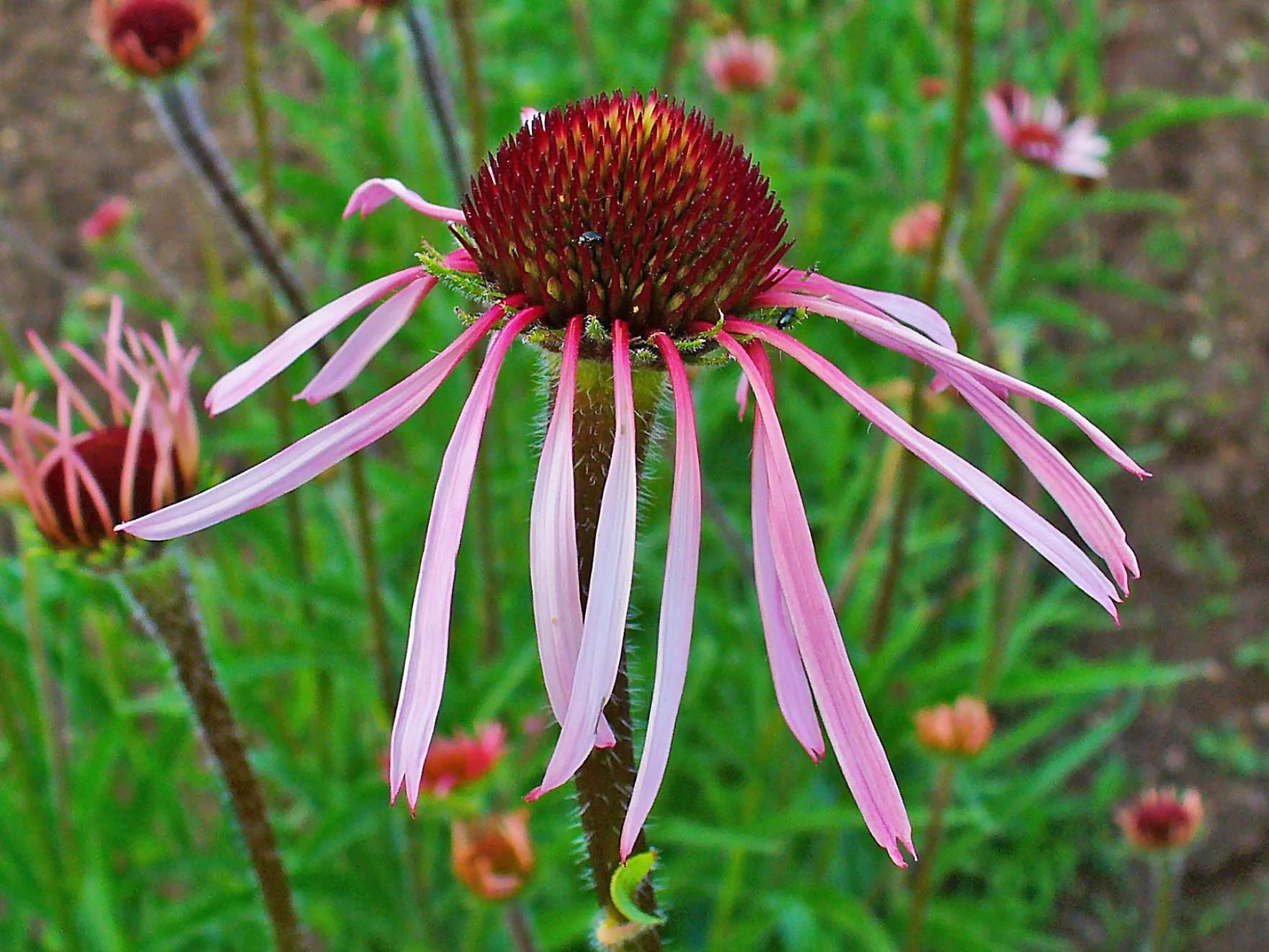
Echinacea pallida
-
Echinacea pallida, commonly known as pale coneflower, is a perennial wildflower characterized by its slender, drooping pink petals and prominent cone-shaped center. Its unique morphology and ability to thrive in a variety of soil types make it a valuable addition to native plant gardens and an important source of nectar for pollinators.
2024 Plant List

Bouteloua gracilis

Passiflora incarnata
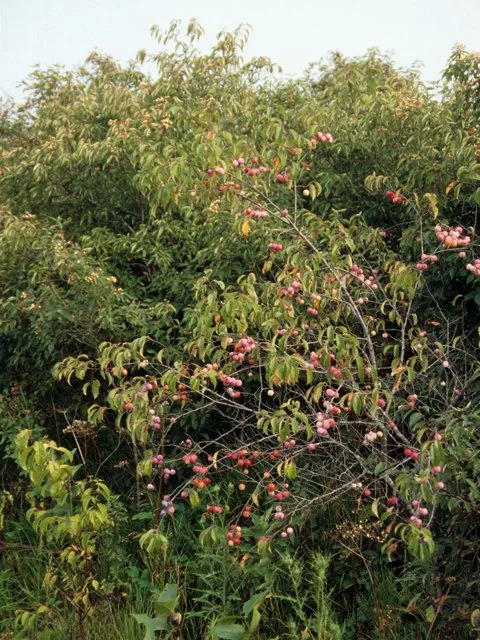
Prunus angustifolia

Quercus macrocarpa

Vernonia missurica
2023 ONPN Plant List

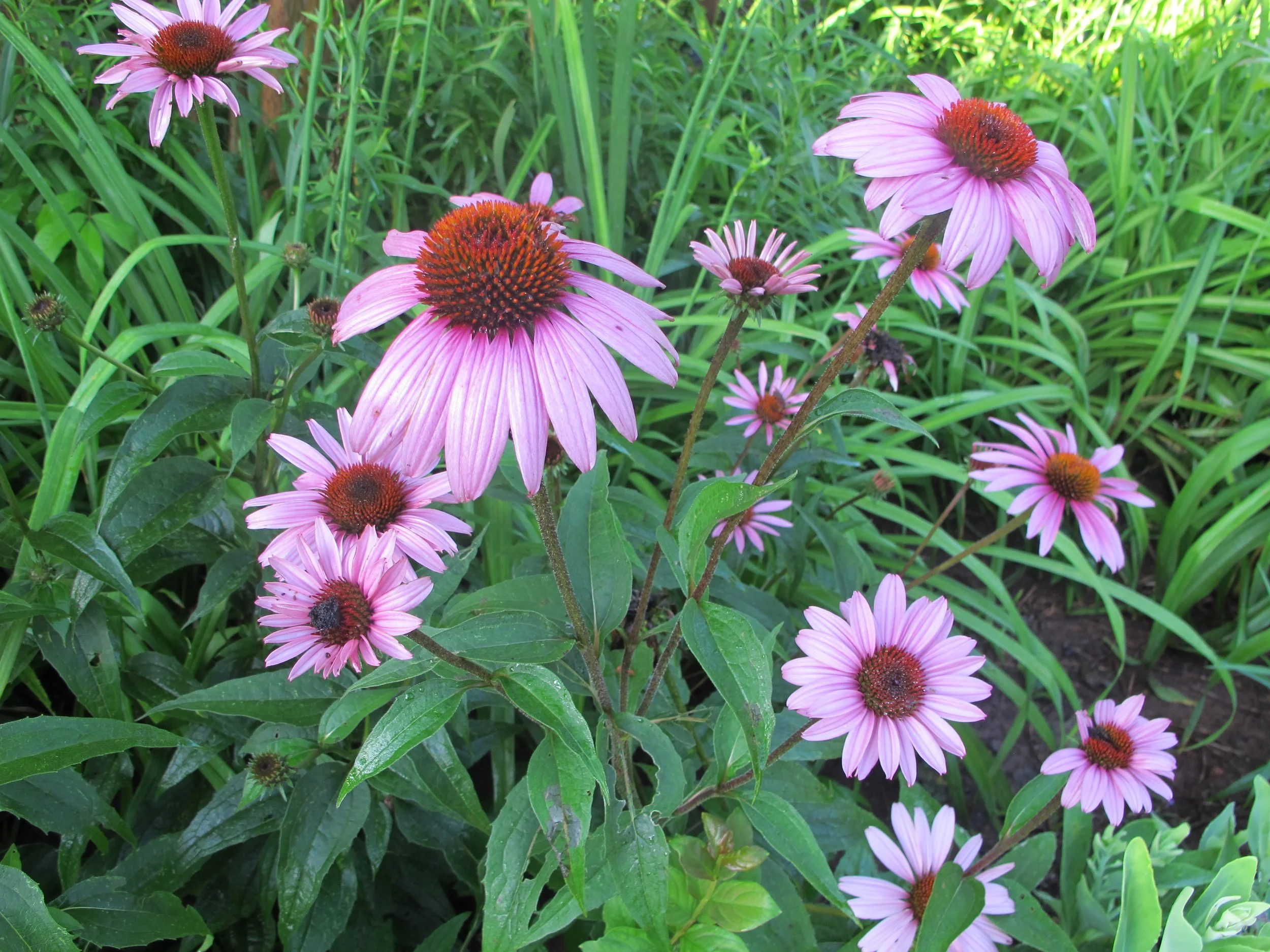

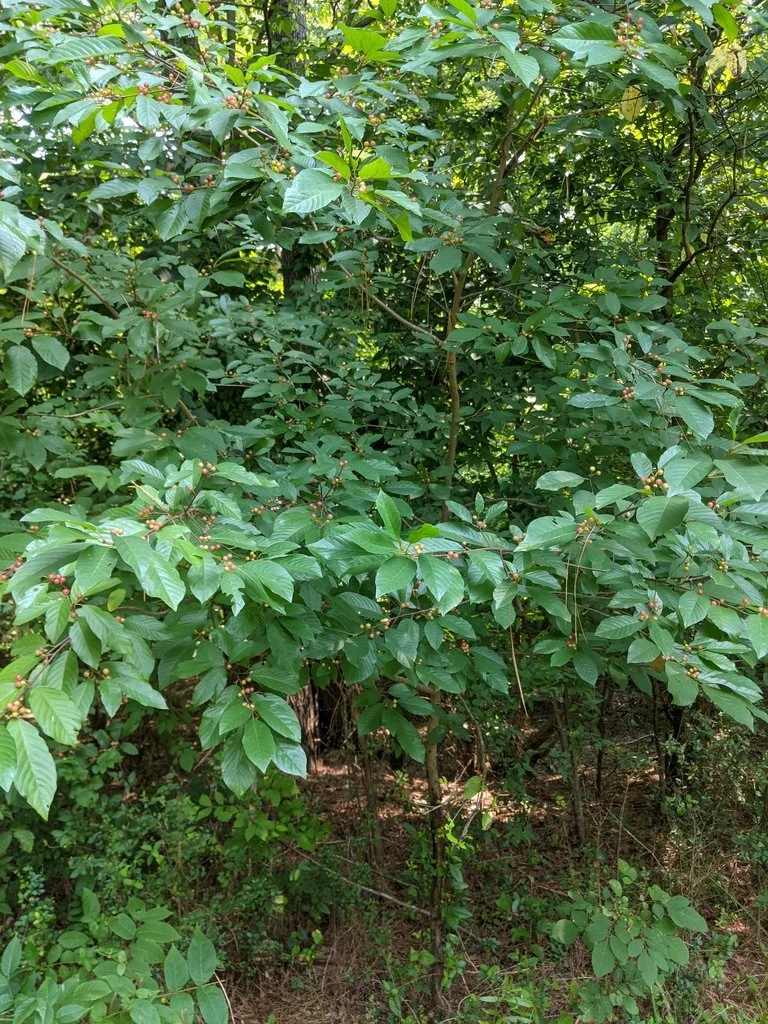
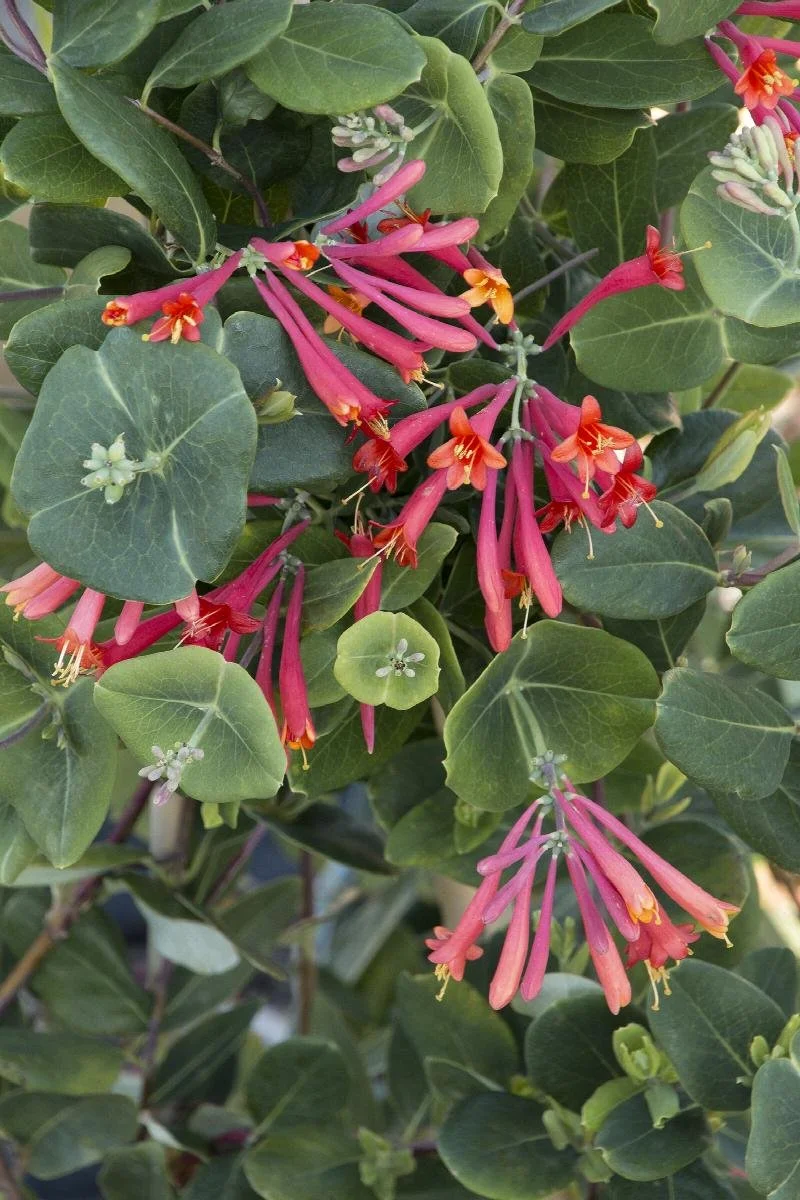


Images courtesy of
Lady Bird Johnson Wildflower Center, Prairie Moon Nursery, and Connie Scothorn